Reflection From My Journey, Malaysia.
Before our ship reached Malaysia, I lost sleep over a question I had never expected to ask myself. Should I smile at the immigration officer, or would it be better if I looked serious?
Last month, I wrote to the Malaysian authorities in Kuala Lumpur. I explained that I lived aboard a residential ship and that we expected to spend a month or more traveling among the islands. I carry both an American and an Israeli passport, and because I was born in Israel, I wanted to know whether I would be allowed to enter.
The answer I received was that I was permitted to enter, but the immigration officer who met me would have the final say and could turn me away.
I broke into a cold sweat. For nights afterward, I lay awake rehearsing a meeting with the Malaysian immigration officer. Should I cover my head? What if the officer was tired or in a bad mood? I even found myself wondering whether I should slip money inside my passport. What stays with me is how quickly I went from planning which islands I wanted to see to wondering what I should do with my face.
I would be the same woman whichever passport I handed over. I began to wonder which one of me the officer would see.
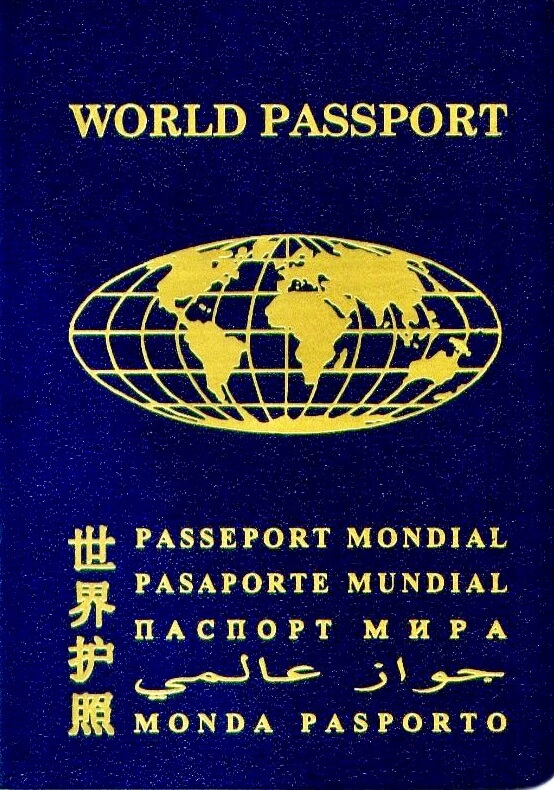
Perhaps that explains why, when I learned there was such a thing as a World Passport, my first thought was, I would love to have one. In 1948, an American former bomber pilot named Garry Davis gave up his U.S. citizenship and declared himself a citizen of the world. His vision eventually led to the creation of the World Passport. Of all the passports I could carry, this one identifies me best.
There is only one small problem. The world may not let me in with it.
I keep thinking about the fact that I have a second passport at all. Here I was, losing sleep over whether I could visit a country. Somewhere, another woman might be losing sleep over whether she and her children could leave one. If I were turned away, I might miss a month of exploring the islands. What might it cost her to hear the same word at a border?
Neither of us chose where we were born. Two children can be born on the same morning, and one may grow up taking for granted the freedom the other will spend a lifetime asking for. How much of what I call my freedom did I inherit?
I love my country, and I love discovering what people hold dear in theirs. I’ve sat and sung beside people whose prayers were different from my own, shared meals with strangers who introduced me to their foods, and danced with people whose language I couldn’t speak. After more than forty years as a dancer, I still love that I can meet someone with whom I can barely exchange a sentence, and we can get up and dance together.
In those moments, no one cared for my passport.
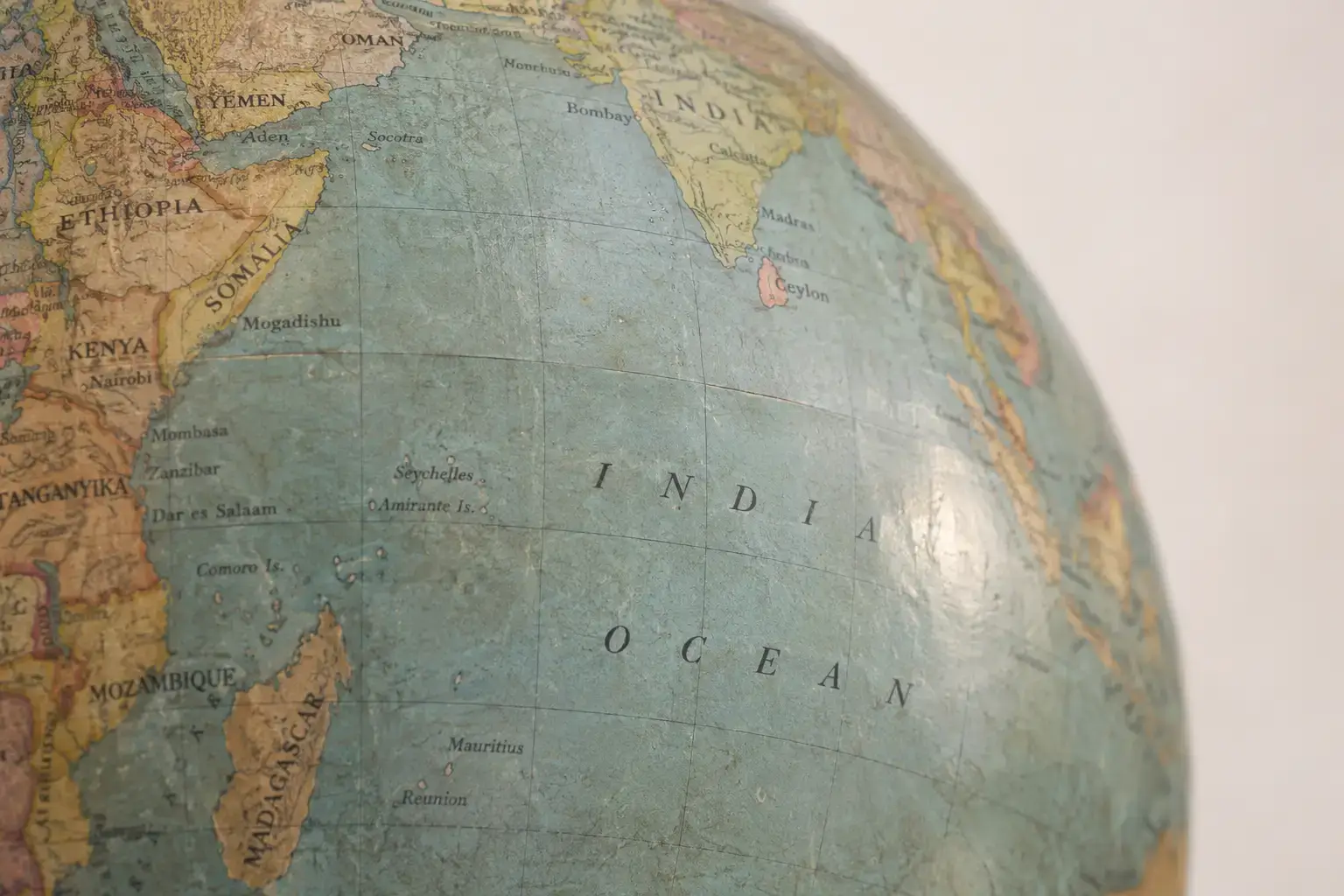
Still, when I imagine myself a citizen of the world, I tend to picture the lovely part. I can go anywhere. Then the practical part of me has a few questions. Where would I pay my taxes? If I fell ill far from home, who would care for me? Who would be responsible for my safety? It’s easy for me to imagine arriving somewhere and trusting that, if I needed help, someone would look after me. I’ve given much less thought to what I would owe the people who live there.
I say that a child born on the other side of the world matters as much to me as a child born within my own borders. I mean that. But suppose the woman trying to get her children to safety arrived at the border of my country. What would I want the officer holding her passport to understand about her? And once he let her through, what would I be willing to do to help her feel welcome?
I would still love to own a World Passport, even if it never took me across a single border. I like the thought of opening it and seeing, in writing, that I am a citizen of the world.
I think I’d want to write a question on the inside cover, though, where I would see it every time I reached for it. When someone comes to my country hoping to be welcomed, will I remember what it felt like to lie awake wondering whether I should smile?