From a very young age, I remember longing for freedom. I did not always know how to find it, but I knew how deeply I wanted to have a say in my own life. Perhaps that is why seeing so many fragile birds in cages in Phnom Penh, Cambodia, made me sad.
At first, I assumed people were buying them to eat as a delicacy. But I wasn’t sure, so I asked.
I was told it was a tradition to take the birds to the river and set them free.
“Oh, that is magnificent,” I said. I loved the vision of opening a cage and letting a living creature return to the sky. I admired the people who released them.
The next day, I visited the Killing Fields. Carrying sorrow that was difficult to put into words, I found myself connecting the two experiences. After all the suffering the Cambodian people had endured under the Khmer Rouge, the act of giving freedom seemed especially meaningful to me, and I assumed it did to them.
But that connection was my own. I later learned that the tradition was much older. Known as “life release” or “merit release,” it is a practice rooted in Buddhist teachings, intended to save lives, express compassion, and earn spiritual merit.
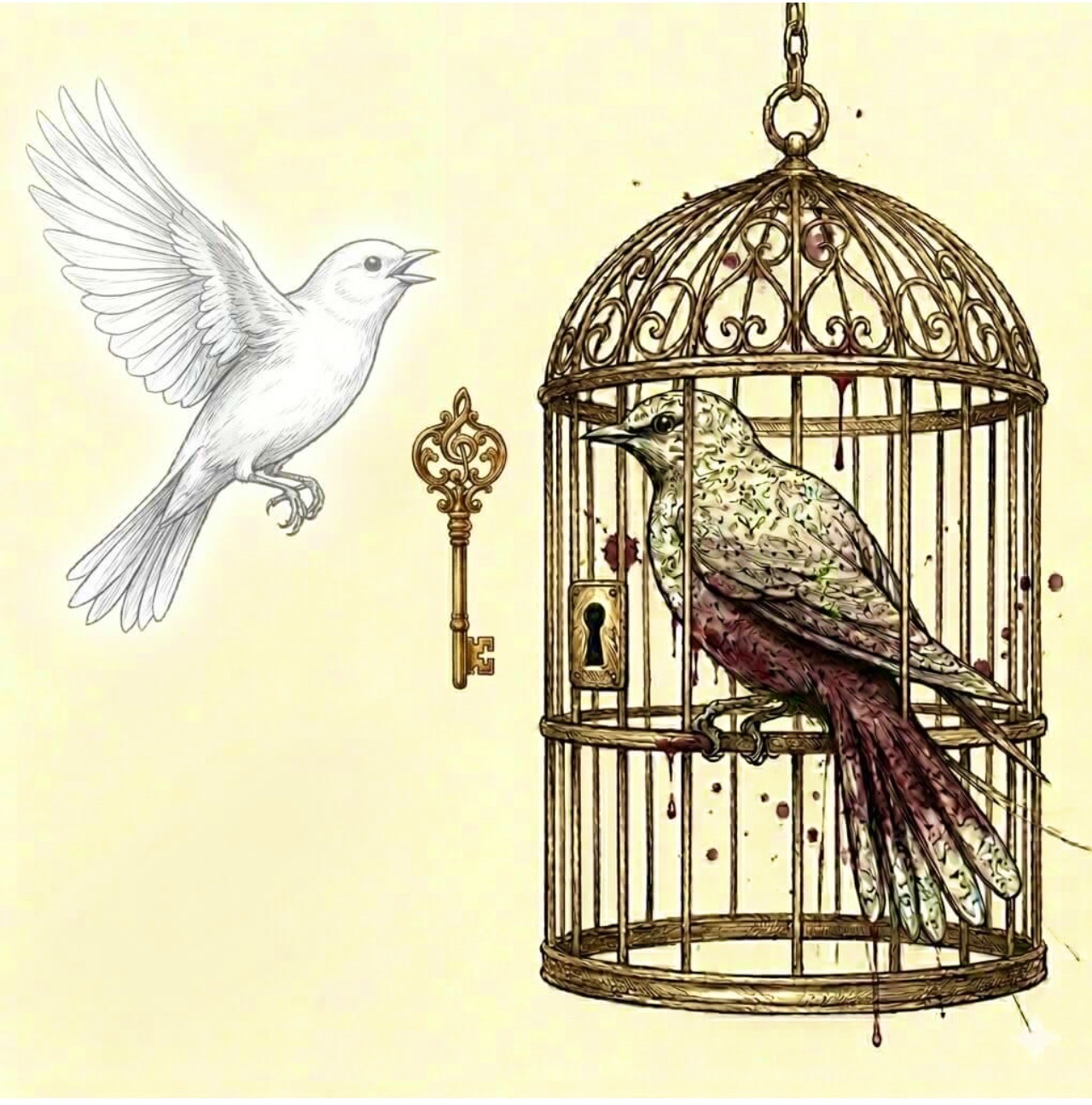
Then I learned that birds are captured specifically to be sold for release.
That broke my heart. There was a trade supplying the very suffering people were paying to relieve.
I could not get past that thought. The freedom people were paying to give the birds was already theirs.
That is where I began to question the ego, including my own first reaction. I had admired the opening of the cage without asking why the bird was inside it.
Was the bird’s freedom at the center of this act, or was it the good feeling of the person opening the door? If we hope to receive good karma in return, can we still see clearly what our gesture costs another living creature?
I cannot know what was in the hearts or minds of the people buying those birds. Some may have known very little about the trade, just as I had. But once we understand more, surely that understanding asks us to pause. Think. Choose.
Sometimes that means giving up a gesture we love because it helps continue the suffering we want to relieve. The bird has to live with the consequences of what we do, however good we feel about doing it.
My concern reaches beyond Buddhism. Many religious traditions use animals in their rituals. Whenever those practices cause suffering, I find myself asking the same question: why should another living creature pay for our wish to receive a blessing, forgiveness, or good fortune? I understand that these practices can carry deep meaning for people, but I cannot stop wondering what they mean for the animal.
This is the contradiction I struggle with: teachings that speak of compassion alongside practices that cause harm. If kindness asks us to recognize suffering, surely that includes suffering within a familiar tradition. And when we recognize it, we have a responsibility to change.
I kept returning to the birds. They were born free. They had lives of their own before someone caught them and made their return to the sky something another person could buy.
What makes us believe their freedom is ours to take, or ours to give back?
Reflections from My Journey, Phnom Penh, Cambodia